In today’s increasingly health-conscious market, organic produce continues to grow in popularity. Consumers are prioritizing clean eating, traceability, and environmental responsibility, and they’re looking to retailers and restaurants to deliver. But how do wholesalers and retailers balance consumer demand for organic with business realities like price, volume, and shelf life?
The answer lies in a broad selection of organic fruits, vegetables, and herbs—available in multiple container sizes. This strategic flexibility empowers the entire supply chain to deliver fresh, high-quality organic products while managing costs and inventory more efficiently.
🧺 Why Variety in Organic Produce Selection Matters
Organic produce isn’t one-size-fits-all. Whether you’re stocking a large supermarket chain, supplying an independent grocer, or serving a farm-to-table restaurant, access to a diverse range of items is crucial. Here’s why:
- Different End Users, Different Needs
- Retailers often need smaller container sizes (1-lb clamshells of greens, 5-lb boxes of citrus) to match consumer demand and minimize spoilage.
- Wholesalers, institutional buyers, and meal-kit services may prefer bulk sizes (25-lb sacks of potatoes, 20-lb flats of tomatoes) for better pricing and large-scale prep.
A robust produce offering allows suppliers to cater to both large and small operations, ensuring that no customer is turned away due to inventory gaps.
- Seasonal & Regional Preferences
A wide selection of organic SKUs supports seasonal offerings and meets diverse geographic preferences. For example:
- In the Southeast, okra and sweet potatoes may be in demand.
- In California, kale, microgreens, and avocados dominate.
- Northeastern markets may prioritize root vegetables and hardy greens in winter.
Offering variety means buyers can fine-tune orders based on local tastes and seasonal trends without compromising on organic integrity.
📦 The Importance of Multiple Container Sizes
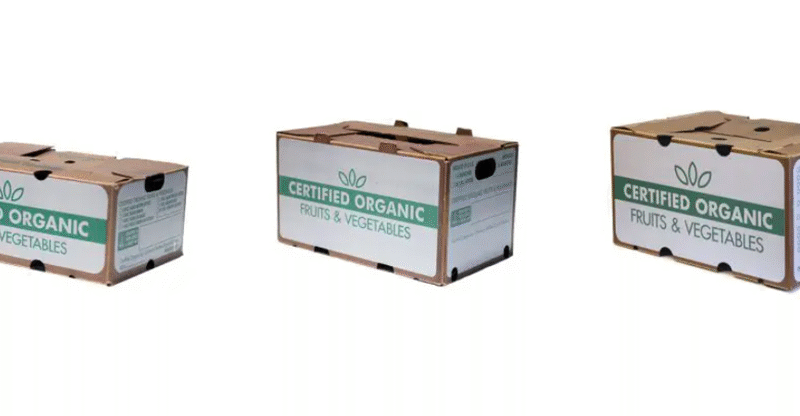
Packaging isn’t just a logistical concern—it’s a strategic advantage. Supplying organic produce in flexible pack sizes directly benefits both ends of the supply chain:
✅ Benefits for Wholesalers
- Reduced Shrinkage: Bulk produce suited to food processors, canneries, or restaurants means less waste per unit moved.
- Optimized Transportation: Full pallet and container loads help maximize freight efficiency and reduce per-pound shipping costs.
- Easier Inventory Planning: Multiple sizes let buyers align orders with current demand forecasts, avoiding overstock.
✅ Benefits for Retailers
- Shelf-Ready Displays: Pre-packed clamshells, mesh bags, and eco-boxes simplify merchandising.
- Smaller Footprint: Small cases or mixed produce flats allow independent and urban retailers to manage limited storage space.
- Faster Turnover: Retailers can maintain freshness and rotate stock more easily with right-sized containers.
💲 Achieving Fair Pricing Without Sacrificing Quality
For organic buyers, the challenge is finding a balance between premium quality and competitive pricing. Here’s how a flexible container strategy makes that possible:
- Bulk Discounts at Scale
Wholesalers ordering in larger containers or full pallets benefit from lower per-unit costs. These savings can be passed down the supply chain—allowing retailers to offer more attractive shelf prices without cutting corners.
- Reduced Labor & Handling
Pre-sorted, size-graded, or cleaned produce in standardized packaging formats minimizes labor costs on the buyer’s end. For example:
- Washed, trimmed baby greens in 1-lb clamshells
- Pre-packed 3-lb organic apple bags
- Slotted crates that double as shelf displays
This streamlining translates to operational savings that help preserve price margins.
- Minimized Spoilage
Flexible pack sizes enable more accurate order planning—retailers can buy what they’ll actually sell. That reduces the risk of shrinkage (a major cost driver in fresh produce) and enhances price stability across the board.
- Smarter Supply Chain Coordination
Producers and distributors offering variety in size and selection can work more collaboratively with buyers on custom pack-outs, just-in-time deliveries, and seasonal rotation plans-all of which optimize inventory and reduce unnecessary markups.
🛒 Attracting a Broader Customer Base
The organic consumer isn’t just one demographic. There are value-seeking families, culinary enthusiasts, budget-conscious students, and eco-focused professionals—all with different buying habits. Retailers who source flexible organic produce offerings can better cater to this full range.
- Value Packs appeal to families shopping for the week.
- Snack-size portions work for single-person households or grab-and-go shoppers.
- Specialty herbs and microgreens attract chefs and foodies looking for freshness and uniqueness.
This diversity allows stores to appeal to a broader audience, boosting basket size and customer retention.
🧑🌾 How Growers and Distributors Make It Happen
It takes careful planning at the farm and distribution level to offer both variety and scalability. Key enablers include:
- Crop Planning for Mix and Volume
Producers schedule staggered plantings and choose crop varieties that support multiple market formats. For instance:
- A farm might grow multiple tomato types—roma for bulk, heirloom for specialty packs, cherry for clamshells.
- Lettuce varieties may be harvested for both salad mixes and whole-head orders.
- Packaging Infrastructure
Investments in washing lines, automated packaging, and eco-friendly containers ensure that a range of pack sizes can be produced efficiently and at scale.
- Cold Chain Management
Reliable cold storage and distribution systems allow farms to deliver top-tier organic quality, regardless of container size. Consistent cooling from field to shelf protects freshness and preserves visual appeal.
- Certifications and Traceability
Organic produce suppliers must ensure:
- USDA Organic Certification
- Detailed batch tracking from seed to sale
- Clear labeling and lot codes
These elements build trust, which in turn helps justify price points and cultivates loyal wholesale and retail relationships.
🌞 Example in Practice: Sunrise Organic Farm
Sunrise Organic Farm demonstrates the ideal model: a large-scale USDA-certified grower offering over 270 varieties of fruits, vegetables, and herbs in packaging tailored to their wholesale and retail partners.
They offer:
- 1-lb, 3-lb, and 10-lb container sizes for leafy greens, carrots, cucumbers, peppers, and more
- Mixed cases and seasonal boxes for variety-seeking retailers
- Direct delivery with volume-based pricing
This approach enables Sunrise to serve everyone from small natural grocers to regional food distributors—delivering top-tier organic produce at a fair price, with the flexibility their partners need.
✅ Final Takeaways
Offering a wide selection of organic produce in multiple container sizes isn’t just a nice-to-have—it’s a competitive advantage.
For Wholesalers and Distributors:
- You streamline logistics, maximize freight loads, and support downstream partners with better pricing and tailored solutions.
For Retailers:
- You reduce waste, meet diverse consumer needs, and improve stock rotation and merchandising.
For Consumers:
- They gain access to fresher, safer, and more affordable organic produce in formats that suit their lifestyles.
In a marketplace where quality, price, and transparency are more important than ever, container-size flexibility paired with product variety isn’t just practical—it’s powerful.